Carvana, CarMax, and Online Disruptors: How Independent California Dealers Can Compete and Win
December 16th, 2025 by Garrett Eddings
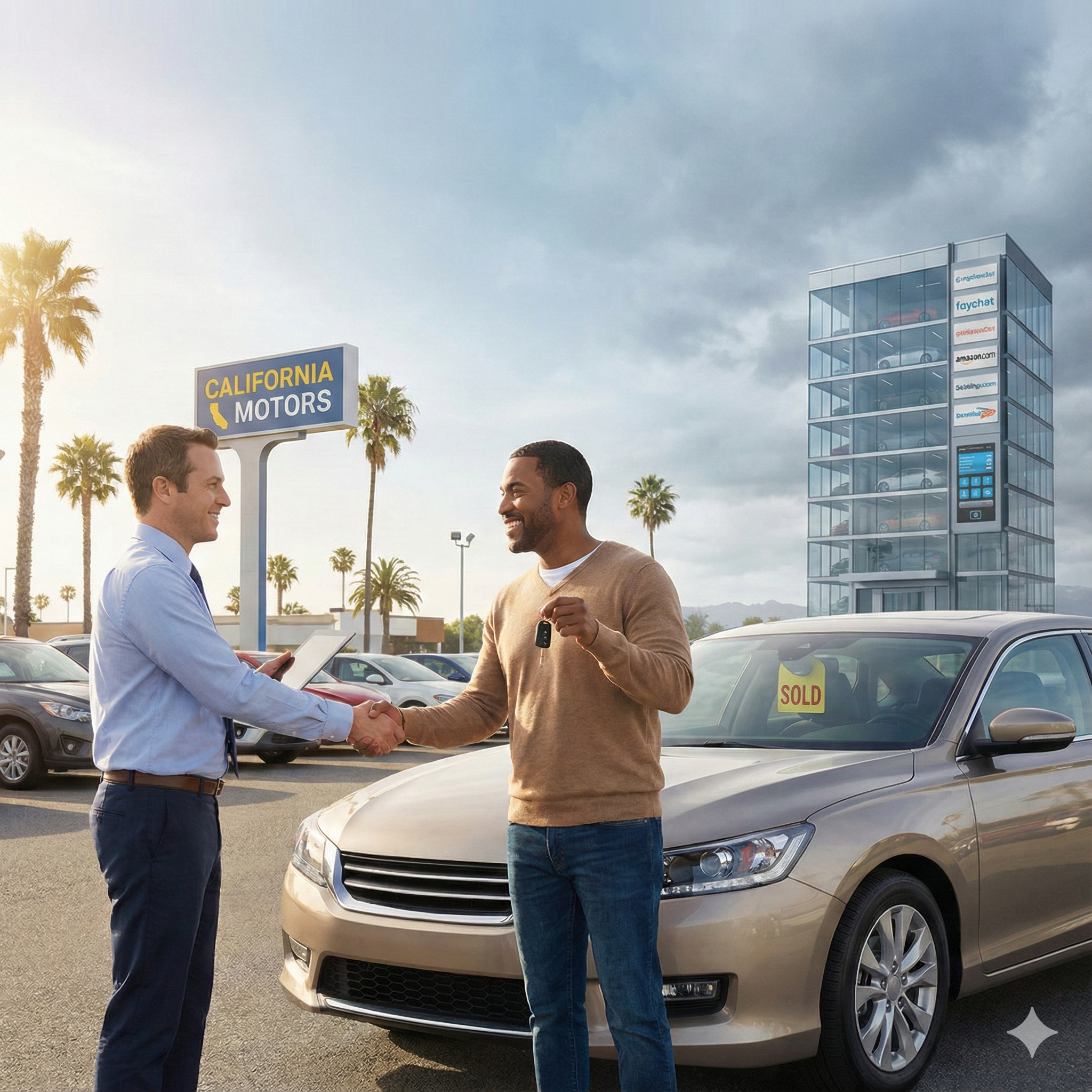
The automotive retail landscape has changed dramatically. Carvana's vending machines, CarMax's no-haggle pricing, and a flood of online-first dealers have transformed how consumers shop for cars. For independent California dealers, it's easy to feel outgunned by competitors with billion-dollar marketing budgets and nationwide logistics networks.
But here's the reality: independent dealers have advantages that online giants can't replicate. While Carvana filed for bankruptcy protection and struggled with profitability, and CarMax faces inventory challenges, nimble independent dealers across California continue to thrive by leveraging what makes them unique.
This isn't about competing dollar-for-dollar with corporate giants. It's about understanding what they do well, what they do poorly, and how your dealership can fill the gaps they can't.
What the Big Players Are Doing Right (And What You Can Learn)
Before we talk about beating them, let's acknowledge what online disruptors got right:
1. Transparency Wins Customer Trust
CarMax pioneered no-haggle pricing in the 1990s, and Carvana took it further with upfront online pricing. Customers hate the traditional negotiation dance. They want to know the real price without playing games.
What you can do: Adopt transparent pricing on your website and Facebook Marketplace listings. You don't need sophisticated software—just clearly state your price and stick to it. Use phrases like "our best price upfront" or "no-haggle pricing." Even if you're willing to negotiate slightly, starting with honest pricing builds immediate trust.
2. Convenience Is King
Carvana's home delivery and seven-day return policy addressed real customer pain points. CarMax made the buying process faster by streamlining paperwork and financing.
What you can do: Offer to meet customers at their home or workplace for test drives. Text them updates on paperwork and vehicle prep. Create a simple vehicle reservation system. Convenience doesn't require a billion-dollar infrastructure—it requires attention to the customer's time and preferences.
3. Professional Online Presentation
High-quality photos, 360-degree views, and detailed vehicle descriptions have become table stakes.
What you can do: Invest in good lighting and a decent smartphone camera. Take 20-30 photos of every vehicle: exterior from all angles, interior details, engine bay, undercarriage, door jambs, and any imperfections. Write honest descriptions that highlight features and disclose flaws. Customers appreciate transparency more than perfection.
Where the Giants Fail (And Where You Win)
For all their advantages, online disruptors have significant weaknesses that independent dealers can exploit:
1. Zero Personal Relationship
Carvana and online-first retailers treat car buying like ordering from Amazon. There's no relationship, no local accountability, and no familiar face when something goes wrong.
Your advantage: You're a real person in your community. Customers can find you. You have a reputation to maintain. You can build relationships that lead to repeat business and referrals. When someone buys from you, they're supporting a local business owner—not a faceless corporation. Lean into this hard. Share your story, be visible in your community, and treat every customer like a neighbor.
2. Inflexible National Systems
CarMax has standardized processes that work for most customers but can't bend for unique situations. Try getting a CarMax manager to work with you on timing, special financing, or creative trade scenarios—their hands are tied by corporate policy.
Your advantage: You can say yes when others say no. You can structure creative deals, work with customers who have unique credit situations, accept unusual trades, or adjust timing to meet a customer's needs. This flexibility is invaluable for customers who don't fit into neat boxes.
3. Limited Local Market Knowledge
National retailers don't understand California's unique market nuances. They don't know which neighborhoods prefer trucks versus sedans, which auction lanes consistently have California smog issues, or how local climate affects vehicle condition.
Your advantage: You know your market intimately. You understand what sells in your area, what buyers expect, and how to source inventory that matches local demand. You can educate customers about California-specific considerations like CARB compliance, smog regulations, and regional pricing variations. This expertise is powerful.
4. High Overhead Requires High Margins
Carvana's vending machines, nationwide logistics, and massive marketing spend require them to maintain significant margins. CarMax's real estate footprint and corporate structure create overhead that limits their pricing flexibility.
Your advantage: Lower overhead means you can be more competitive on price when needed, or maintain better margins on vehicles where you add real value through reconditioning, service history, or unique finds. You can cherry-pick inventory that works for your cost structure rather than needing to maintain massive volume.
5. Impersonal After-Sale Support
When something goes wrong with a Carvana purchase, customers navigate phone trees and chat systems. Getting real help can take days or weeks.
Your advantage: You answer your phone. You text back. When a customer has an issue, they can reach you directly. This accessibility is worth its weight in gold and generates loyal customers who send referrals.
Practical Strategies to Compete and Win
Build Your Digital Presence (Without Breaking the Bank)
You don't need a million-dollar website. You need to be where customers are looking:
- Facebook Marketplace: Free, massive reach, and where many buyers start their search. Post quality photos, detailed descriptions, and respond quickly to messages.
- Instagram: Share your inventory, behind-the-scenes content, and customer testimonials. Show your personality and build a following in your local area.
- Google Business Profile: Claim and optimize your listing. Encourage happy customers to leave reviews. Most local searches start here.
- Simple Website: You don't need complex inventory management systems. A clean, mobile-friendly site with contact info, current inventory photos, and your story is enough. Many successful dealers run on basic WordPress sites.
Specialize and Dominate a Niche
CarMax and Carvana try to be everything to everyone. You can own a specific niche:
- Trucks and work vehicles: Contractors and small business owners want to buy from someone who understands their needs.
- Budget-friendly reliable transportation: Focus on well-maintained economy cars for first-time buyers and budget-conscious families.
- Enthusiast vehicles: Classic cars, modified vehicles, or specialty imports that require expertise to evaluate and sell.
- Eco-friendly vehicles: Hybrids and used EVs for California's environmentally-conscious buyers.
- Luxury pre-owned: Higher-margin vehicles where service history and condition knowledge matter most.
When you specialize, you become the expert. Customers seeking that type of vehicle will drive across the state to work with you.
Make the Customer Experience Frictionless
Online retailers won by removing friction. You can do the same:
- Text communication: Most customers prefer texting. Use it for scheduling, updates, and quick questions.
- Digital paperwork: DocuSign and similar tools let customers handle paperwork remotely.
- Video walkarounds: Can't come in person? Send a personalized video walking through the vehicle and starting it up.
- Flexible viewing hours: Meet customers when it works for them, including evenings and weekends.
- Home delivery: For the right deal, delivering a car to someone's home is a small investment that creates a memorable experience.
Leverage Your California Dealer License Advantages
Your dealer license gives you auction access and wholesale connections that consumers can't access:
- Source inventory efficiently: Buy smarter at auction than large retailers who need volume. Look for diamonds in the rough that you can recondition.
- Offer trade-in expertise: Evaluate trades accurately and make fair offers quickly. This is where personal trust matters most.
- Navigate California DMV requirements: Your expertise with title work, smog, and registration is valuable to out-of-state buyers and sellers.
- Build dealer relationships: Network with other independent dealers for inventory sharing and wholesale opportunities.
Create Content That Builds Trust
Online retailers spend millions on advertising. You can build trust through valuable content:
- Educational videos: "What to look for when buying a used truck" or "How California smog testing works."
- Market updates: Share insights about local market trends, which vehicles hold value, seasonal buying advice.
- Customer stories: Showcase happy customers and their vehicles (with permission).
- Transparency content: Show your reconditioning process, explain your pricing, share auction experiences.
This content doesn't need to be perfect. Authenticity beats production value. Use your phone, be yourself, and share knowledge generously.
Double Down on Reviews and Reputation
Social proof matters more than ever. A small dealer with 50 five-star reviews beats a national chain with mixed reviews:
- Ask every happy customer for a Google review (in person, when they're excited about their purchase).
- Respond to every review, positive and negative, professionally and personally.
- Share testimonials on social media and your website.
- Address problems quickly and publicly when things go wrong—it demonstrates integrity.
The Reality Check: What This Actually Requires
Competing with online disruptors isn't about matching their scale. It's about being better where it counts:
You'll need to adapt: If you're still doing business like it's 2005, you'll struggle. Customers expect digital communication, online research capability, and professional presentation.
You'll need to be responsive: When someone messages you at 7 PM, responding within an hour (not the next day) often makes the difference between a sale and a lost opportunity.
You'll need to be honest: Transparency isn't optional anymore. Disclose issues, price fairly, and deliver on promises. Your reputation is everything.
You'll need to provide value: Whether through better pricing, superior vehicle knowledge, personalized service, or creative solutions—you must offer something that justifies choosing you over a national retailer.
But here's the good news: these aren't heavy lifts. They're about mindset and execution, not massive capital investment.
The Bottom Line: Independent Dealers Can Thrive
Carvana's struggles, CarMax's flat growth, and the broader challenges facing online-first retailers prove that size and technology alone don't guarantee success. The car business remains fundamentally about trust, relationships, and value.
As an independent California dealer, you have everything you need to compete:
- Personal relationships that create loyalty
- Local market expertise that informs better buying decisions
- Flexibility to serve customers that don't fit standard boxes
- Lower overhead that enables competitive pricing
- Community presence that builds trust and referrals
The key is embracing what makes you different rather than trying to be a smaller version of CarMax. Be local, be personal, be responsive, and be excellent at what you do. There's never been a better time to be an independent dealer who understands that cars are still sold person-to-person, not algorithm-to-person.
The online disruptors showed us what customers want: transparency, convenience, and trustworthy information. Now it's time to deliver those things with the personal touch and local expertise that only an independent dealer can provide.
Ready to Get Your California Dealer License?
If you're inspired to start your own dealership and compete in today's market, California Dealer Academy's licensing course will give you the foundation you need. We'll teach you the regulations, business setup, and insider knowledge to launch successfully.
Already licensed? Our continuing education courses keep you updated on the latest California requirements and industry trends.
Posted in: Education